.jpg "infertility homeopathy treatment in chennai")
Infertility
Reproductive endocrinologists, the doctors specializing in infertility, consider a couple to be infertile if:
- The couple has not conceived after 12 months of contraceptive-free intercourse if the female is under the age of 34
- The couple has not conceived after 6 months of contraceptive-free intercourse if the female is over the age of 35 (declining egg quality of females over the age of 35 account for the age-based discrepancy as when to seek medical intervention)
- The female is incapable of carrying a pregnancy to term.
FEMALE INFERTILITY: Female infertility may be due to:
- Problems with a fertilized egg or embryo being able to survive once it is attached to the lining of the uterus
- Problems with the eggs being able to attach to the lining of the uterus
- Problems with the eggs being able to move from the ovary to the uterus
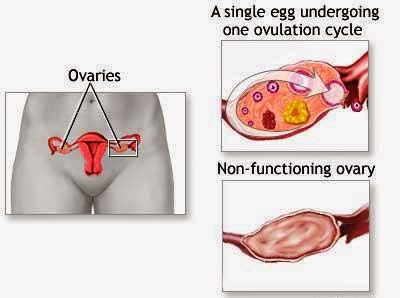
- Problems with the ovaries producing eggs
Female infertility may be caused by:
- Autoimmune disorders, such as antiphospholipid syndrome (APS)
- Clotting disorders Defects of the uterus and cervix
.jpg "delayed pregnancy homeopathy treatment in chennai")
- (myomas or fibroids, polyps, birth defects)
- Excessive exercising, eating disorders, or poor nutrition
- Exposure to certain medications or toxins
- Heavy use of alcohol
- Hormone imbalance or deficiencies
- Long-term (chronic) disease, such as diabetes
- Obesity
- Ovarian cysts and polycystic ovary syndrome (PCOS)
- Pelvic infection or pelvic inflammatory disease (PID)
- Scarring from sexually transmitted disease or endometriosis
- Tumour
The most common cause of male infertility is a varicocele .This is when the veins in the scrotum (the skin “sack” that hangs beneath the penis) are dilated (enlarged) on one or both sides. This heats the inside of the scrotum and may affect sperm production. A blockage in a man’s reproductive system may cause male infertility. Some medicines can also cause infertility.
.jpg "low sperm count homeopathy treatment in chennai") Other causes of male infertility may include:
Other causes of male infertility may include:
- low sperm count
- sperm that are abnormally shaped or that don’t move correctly
- un descended testicle
- an underlying medical problem
Symptoms
Treatment
Treatment depends on the cause of infertility. It may involve:
- Education and counselling
- Medical procedures such as intrauterine insemination (IUI) and in vitro fertilization (IVF)
- Medicines to treat infections and clotting disorders, or promote ovulation. Homeopathy system of medicine is based under symptom similarity. so homeopathy medicines works well in infertility case under clinical symptoms
Whom to contact for Infertility Treatment
.jpg "delayed pregnancy treatment in chennai") Vivekanantha Clinic Doctors treats many cases of Infertility, Low sperm count, Azoospermia, Oligospermia, PCOD, with successful results. Many patients get relief after taking treatment from Vivekanantha Clinic. You can meet the Doctors at Vivekanantha Homeopathy Clinic, Velachery, Chennai 42. To get appointment please call 9786901830, +91 94430 54168 or mail to consult.ur.dr@gmail.com,
Vivekanantha Clinic Doctors treats many cases of Infertility, Low sperm count, Azoospermia, Oligospermia, PCOD, with successful results. Many patients get relief after taking treatment from Vivekanantha Clinic. You can meet the Doctors at Vivekanantha Homeopathy Clinic, Velachery, Chennai 42. To get appointment please call 9786901830, +91 94430 54168 or mail to consult.ur.dr@gmail.com,
at
infertility homeopathy treatment in chennai, low sperm count treatment in chennai, azoospermia treatment in chennai, oligospermia treatment in chennai, absents of sperm in semen treatment in chennai, no sperm in semen treatment in chennai, pcod infertility treatment in chennai, homeopathy infertility clinic chennai, homeopathy infertility specialist doctor in chennai, varecocele homeopathy treatment chennai, verecocele grade 1 treatment chennai, varecocele grade 2 treatment in chennai, small testis treatment in chennai, vinthanu kuraipadu treatment in chennai, watery semen treatment in chennai, liquid sperm treatment in chennai, விந்து நீர்த்துபோதல் சிகிச்சை, தண்ணீர் போன்ற விந்து சிகிச்சை, விந்தனு குறைபாடு சிகிச்சை, கைப்பழக்கம் அடிமை சிகிச்சை, குறைந்த விந்து அனுக்கல் சிகிச்சை, குழந்தையின்மை ஓமியோபதி சிகிச்சை, அசூஸ்பெர்மியா சிகிச்சை, ஒலிகோஸ்பெர்மியா சிகிச்சை, வெரிக்கோசிலி சிகிச்சை,