Understanding Allergic Rhinitis: A Comprehensive Guide to Symptoms, Home Care, and Homeopathic Management
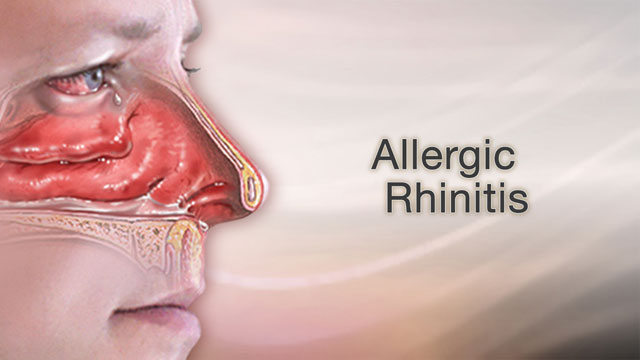
Allergic rhinitis, commonly known as hay fever, is more than just a seasonal annoyance. For millions, it is a chronic condition where the immune system overreacts to typically harmless substances like pollen, dust mites, or pet dander. This triggers the release of histamine, leading to inflammation of the nasal passages and a cascade of uncomfortable symptoms.
Symptoms of Allergic Rhinitis
Symptoms can appear immediately after exposure and may vary based on whether the allergy is seasonal pollen-driven or perennial year-round triggers like dust.
- Nasal Issues: Frequent bouts of sneezing, a runny nose with clear watery discharge, and chronic nasal congestion.
- Eye & Throat Irritation: Itchy, red, or watery eyes; itching in the roof of the mouth, throat, or ears.
- Post-Nasal Drip: Mucus dripping down the throat, often leading to a persistent dry cough or sore throat.
- Secondary Effects: “Allergic shiners” dark circles under the eyes, fatigue due to poor sleep, and sinus headaches.
Home Management & Lifestyle Strategies
The first line of defense is trigger avoidance and environmental control. Small changes at home can significantly reduce the “allergen load” on your system.
Environmental Control
- Pollen Defense: Keep windows closed during high pollen seasons. Use air conditioning in your home and car to filter incoming air.
- Dust Mite Management: Use “mite-proof” or hypoallergenic covers for mattresses and pillows. Wash bedding weekly in hot water at least 60°C.
- Air Quality: Use HEPA High-Efficiency Particulate Air filters in your vacuum cleaner and air purifiers to trap microscopic triggers.
- Hydration: Drink plenty of fluids to keep the nasal mucus thin and easier to clear.
Natural Home Remedies
- Saline Nasal Irrigation: Using a Neti pot or saline spray helps flush out allergens and excess mucus from the nasal passages. Always use distilled or previously boiled water.
- Steam Inhalation: Inhaling steam optionally with a drop of eucalyptus or peppermint oil can soothe inflamed membranes and ease congestion.
- Local Honey: Some find that consuming local raw honey helps the body gradually build a tolerance to local pollens.
- Dietary Support: Incorporate anti-inflammatory foods like turmeric, ginger, and Vitamin C-rich citrus fruits to support immune health.
Homeopathy Management for Allergic Rhinitis
Homeopathy offers a holistic approach, aiming to treat the individual’s specific “symptom picture” and strengthen the immune system’s resilience rather than just suppressing the discharge.
Note: For chronic allergic rhinitis, it is recommended to consult a qualified homeopath for “constitutional treatment,” which looks at your overall health history to provide long-term relief.
When to See a Professional
While home management is effective for many, seek medical advice if:
The symptoms do not improve with over-the-counter or natural management.
Symptoms are severe enough to interfere with work or sleep.
You experience wheezing or shortness of breath.
For more details, Treatments & Appointments
Please call 9443054168 / 9786901830
Vivekananda Homeopathy Clinic & Psychological Counseling Center,
விவேகானந்தா ஹோமியோபதி கிளினிக் உளவியல் ஆலோசனை மையம்
B-12, Second Floor, Paramount Park (Dr Plaza) – B Block,
Velachery Main Road,
Direct Opposite to Saravana Stores,
Near Vijayanagar Bus Stand,
Velachery,
Chennai 42,
Cell: 94430 54168, 86102 15947, 97869 01830,
consult.ur.dr@gmail.com
https://maps.app.goo.gl/q9KMo4EwkArPY7qG9
https://homeoall.com/
https://www.psychologistcounselingcenter.com/
https://www.vivekananthahomeoclinic.com/
https://www.facebook.com/vivekanandahomeopathyclinic/
https://www.instagram.com/drsenthilkumard/
https://wa.me/919443054168